Pinned, Ripped, Remembered: Six Months of Testing My Work on Village Noticeboards
In April I bought a laminator. Not a metaphorical one. A real, slightly smoky laminator from a hardware shop that also sells loose screws by weight. I had decided to spend six months promoting my small creative projects the analogue way: flyers, drawing pins, tear-off tabs and a certain amount of walking about in the rain. No boosted posts. No targeted ads. Just me, a carrier bag of A5 sheets and every noticeboard in one UK town that would have me.
What follows is not a triumphant case study. It is a set of field notes from the noticeboard economy, a place where your work is judged by weather, blue tack and whether the person behind the counter likes orange.
The Rules of the Board
Every noticeboard has a personality. The library board is neat, parish-approved and quietly furious about Sellotape. The church hall board is felt-covered and smells of old hymn books and tea. The corner shop window is a collage of lost cats, guitar lessons and a faded advert for a chimney sweep who may no longer exist. The Post Office has a queue, a glass case and a policy about posters that nobody has fully explained to me.
I learned to ask first. Not because every board requires permission, but because asking turns a flyer into a conversation. The librarian said yes but asked me to use the correct pins. The café owner said yes if it was small and not near the pastry case. The community centre manager said yes, then covered my flyer with a pest-control notice three days later. That is not sabotage. That is local democracy.
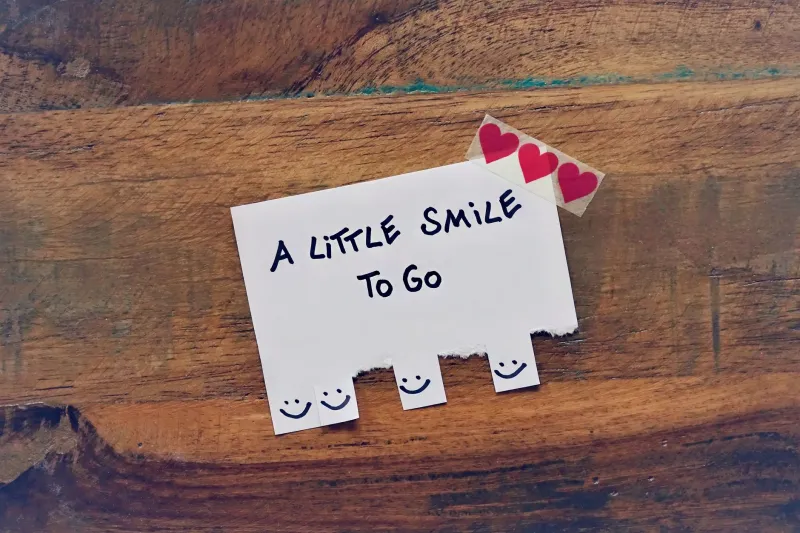
My flyers were A5, laminated, with ten tear-off tabs along the bottom. Date, time, price, a short web address, and one plain sentence explaining what the thing actually was. I resisted the urge to call a workshop a 'creative practice lab'. People on noticeboards do not want a lab. They want to know if there will be biscuits.
What Stayed Up and What Vanished
Of the first thirty flyers I put out, six had disappeared within forty-eight hours. Some were taken down by cleaners. One was blown into a hedge. One was removed from a café window because, I was told, it clashed with the decor. Fair enough. The café had a very considered palette of beige.
The library flyer stayed up but migrated to a different corner of the board, as if it had been politely rehoused. The church hall flyer acquired a pencil annotation: 'good luck'. I have never been so moved by vandalism. The corner shop flyer lasted the full run, though it was eventually half-hidden behind a card advertising a missing tabby called Bernard.
Noticeboards are living documents, not billboards. You are not buying attention; you are renting a small square of communal memory by the hour. Someone will pin a jumble sale over you. Someone will remove you because it is Tuesday. Someone will take your tear-off tab and use it as a bookmark. All of this is information.
Tear-Off Tabs Are a Tiny Focus Group
Every week I counted the remaining tabs. I know this sounds unhinged. It was slightly unhinged. But the tabs told me things that a spreadsheet could not.
A workshop with 'free tea' mentioned on the flyer lost more tabs than one without. A zine launch with a clever but vague title lost almost none. A session called 'make a pamphlet in two hours' outperformed 'exploring narrative form' by a country mile. Plain language won. Local specificity won. 'Behind the Co-op' got more attention than 'central venue'. Price transparency won too, though not in the way I expected: flyers with no price got lots of tabs pulled, but fewer actual bookings. The £6 flyer got fewer tabs and more people who turned up. That is not a failure. That is a filter.
One woman phoned the number on the tab because she did not want to book online. She was the only person who called, and she brought a friend. Two bookings from one tab is not a viral moment, but it is a real one. The noticeboard had done what social media often struggles to do: it had reached someone who was not already looking for me.
The Café Window Is Not a Gallery
I learned this the hard way. My first flyer was bright orange. I loved it. The café did not. It was removed overnight, and I spent a week assuming the worst before the owner explained, gently, that it made the window look like a car boot sale. The flyer that stayed was smaller, muted, in a plastic sleeve, and asked nicely.
This is not about selling out. It is about reading the room. A noticeboard is a collaboration between you and a place. The corner shop owner said yes because I bought a paper and asked about his daughter's exams. The chippy said no because the window was full. The leisure centre said yes but only on the community board by the toilets, which is honestly where I do my best thinking. Rejection is data. Sometimes it is just data about the size of a window.
What I Would Do Differently
Fewer boards, better fit. I spread myself too thin in the first month, pinning flyers in places where my workshop was never going to appeal. Now I would choose five or six locations and actually look after them. I would put the date in enormous text. I would write 'Friday 17 October, 7pm' rather than 'Oct 17'. I would include a phone number as well as a web address, because not everyone wants to scan a QR code with a phone that is older than my laminator.
I would also keep a proper log: location, date pinned, tabs remaining, notes. And I would take my own flyers down afterwards. That last bit matters. The noticeboard economy runs on small reciprocal acts. If you leave your flyer up for three months after the event, you are the reason nobody trusts a poster.
The Honest Bit
The boards did not make me famous. They made me local. A woman recognised me in the bakery and asked how the zine went. The corner shop owner asked if I was doing another workshop. The librarian said my flyer had been moved but not removed, which felt like a review in the parish newsletter.
That is worth more than impressions. The noticeboard is an honest test because it cannot be gamed. It sits in a real place, with real weather and real people who have real things to do on a Thursday. If your flyer gets covered by a council notice, that is not failure. It is context. The board does not care about your brand. It cares whether someone needs a thing to do, and whether you have made it easy enough to say yes.
Next spring I will laminate again. Maybe something less orange.