What Happened When I Left My Spare Art Supplies by the Gate
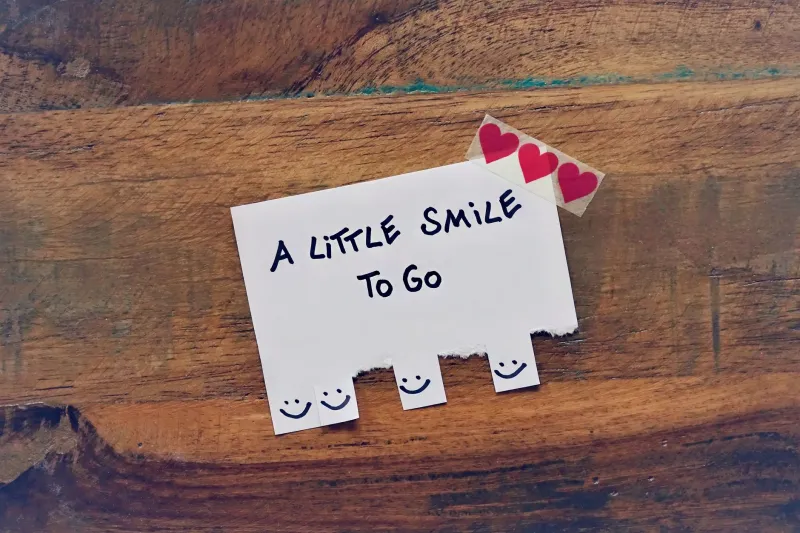
Twelve months ago, in November 2025, I did something I’d been putting off for years: I cleared the shelf above my desk. Not tidied it. Actually cleared it. Out went the half-tubes of acrylic that had gone the consistency of clotted cream, the lino cutters I’d bought twice because I’d forgotten where I’d put the first set, and a shoebox of buttons that had somehow become a permanent household fixture. I was going to take the lot to the recycling centre. Instead, I put it in a plastic storage box by the front gate with a laminated note: FREE TO BORROW. PLEASE LOG IT. RETURN WHEN DONE. NO MONEY.
That was the beginning of the shelf. Not a grand community project. A box by a gate, with a notebook inside, and a slightly hopeful feeling that someone might take the gaffer tape off my hands.
The rules I thought I needed
I started with three rules. Borrowers had to write down what they took and when they’d bring it back. Nothing sentimental was allowed on the shelf. And everything had to come back reasonably clean. I even drew a little diagram of a paintbrush, because I am the sort of person who believes a diagram can solve most problems.
The first rule lasted about a fortnight. The notebook worked, mostly — although one neighbour wrote “scissors” and then, on the return line, “scissors (same ones?)”. I chose to believe that was a philosophical question rather than a confession. The sentimental rule was easier. The only thing I genuinely minded was a battered tin of my mum’s that I’d used for storing chalk. It stayed indoors, and I’m glad it did.
The cleanliness rule was the one that taught me the most. Some things came back better than they left. A neighbour returned my trowel with the soil brushed off and a new coat of oil on the handle. Someone else washed out every jam jar and left them upside down on a tea towel. I nearly wept. Other things came back with a story attached: a staple gun that smelled faintly of toast, a set of brushes with one bristle permanently bent into a question mark, and a craft knife with a blade so blunt it could only be described as “emotionally retired”.
What came back clean, and what came back crunchy
I learned quickly that a lending shelf is not a library. Libraries have due dates. A shelf by a gate has vibes. People borrow things in good faith, then life happens. A roll of masking tape becomes half a roll. A pot of Mod Podge develops a skin. A hand drill comes back with a bit missing. You can either become the kind of person who sends a follow-up text about a missing drill bit, or you can decide that the drill bit is now part of the neighbourhood’s collective subconscious.
I mostly chose the second option, though I did once write a very polite note that said, “If anyone finds a small masonry bit in their coat pocket, it has a home here.” It turned up three weeks later in an envelope. No name. Just the bit and a drawing of a smiling drill. I have kept the drawing.
The funniest return was a set of lino cutters that came back with a note: “Sorry, one handle snapped. My fault. Replaced with a slightly worse one from my shed.” I liked the honesty. I also liked the replacement handle, which was bright orange and much easier to find on a cluttered desk. That is the quiet magic of a lending shelf: it doesn’t just move things around. It edits your kit in ways you wouldn’t have chosen yourself.
The awkward economics of a free shelf
There is a particular awkwardness to giving things away without it becoming A Thing. If you say “borrow”, people worry about obligation. If you say “free”, they take the whole box and you never see them again. I settled on language that was deliberately casual: “Take it if you need it. Bring it back if you can. If you can’t, leave something else.” That last bit was a late addition, and it changed the shelf from a one-way giveaway into a slow conversation.
By spring, the box had grown a second box. By summer, there was a jar of used yoghurt pots for mixing paint, a stack of old frames with no glass, and a tiny tin of screws that nobody could identify but everyone felt was useful. I started to see the shelf as a kind of neighbourhood compost heap for creativity. Things went in, broke down, got repurposed, came back as something else. It was not tidy. It was alive.
I won’t pretend it was all charming. One person borrowed my good secateurs and returned them with a hedge still attached. Someone else left a bag of fabric scraps that had clearly been in a damp shed since the Blair years. I had to institute a new rule: no bin bags. Bin bags are where good intentions go to moulder. Boxes or carrier bags only, please.
What it actually taught me about making
The biggest lesson was about scarcity. I used to keep my “good” materials for a hypothetical future project — the nice paper, the expensive brush, the decent blade. The shelf taught me that a lot of making is just turning up with whatever is to hand and trusting that it will do. When you run a small lending shelf, you see that happen all the time. Someone borrows a cheap brush and makes something lovely. Someone takes four mismatched buttons and turns them into a face. The materials are almost never the point.
It also made me less precious about my own work. If a neighbour can return a staple gun that smells of toast and still be a good neighbour, then I can finish a zine with slightly wonky staples and still call it done. The shelf is a daily reminder that generosity is not tidy. It is a bit crunchy. It involves missing drill bits and orange replacement handles and notes in a notebook that say “scissors (same ones?)”.
Now, in November 2026, the shelf is still by the gate. It has a new lid, because the old one blew away in a storm, and a fresh notebook, because the first one filled up. I still don’t know everyone’s names. I know their handwriting instead. I know who returns things clean and who returns things with a story. I know that the best thing I ever put out there wasn’t the gaffer tape or the lino cutters. It was the invitation.
If you’re thinking of starting one, my advice is simple: start small, label things, keep the sentimental stuff indoors, and accept that the box will become a slightly chaotic reflection of your street. It won’t solve the problem of having too much stuff. But it might make you feel less alone in the making of things — and that is worth a missing drill bit or two.