The Polite No: What Twelve Months of Declining Free Work Did to My Income and My Nerves
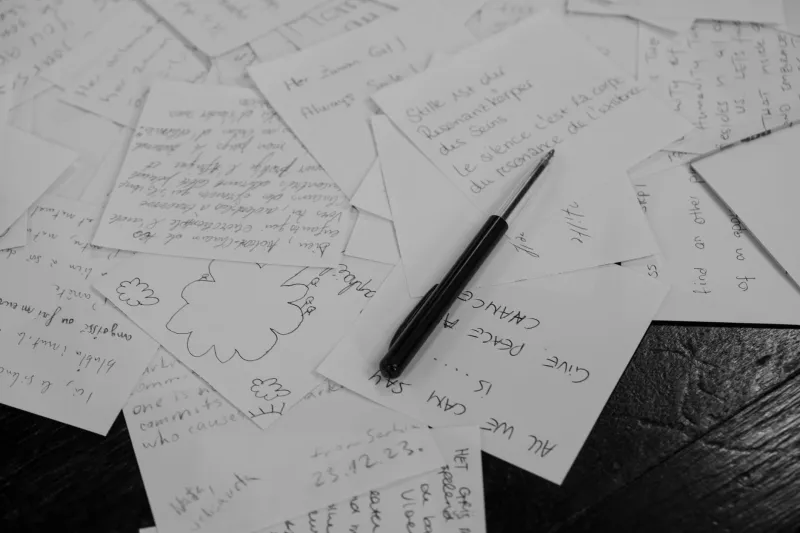
Twelve months ago I started a quiet experiment: I stopped saying yes to free artwork requests, vague ‘collabs’ and exposure-only commissions. There was no announcement. I simply began replying more slowly, then more honestly. I kept a note of every ask, every answer and every awkward silence that followed. As 2026 draws to a close, here’s what that year of polite refusals actually did.
The asks were rarely about art
Most requests arrived with warmth. Could I donate a print for a quiz night? Would I design a poster for the summer fete because it would be ‘great exposure’? Could a group use one of my drawings on its website, with a tag rather than a fee? These were not villains. They were often volunteers, neighbours or people who genuinely liked the work.
The problem was not malice. It was a habit of asking creatives last, as though visibility is a fair swap for time, materials and skill. For years I said yes to keep the peace. The cost was rarely one afternoon. It was the quiet resentment that followed, plus the unpaid admin, the revision requests and the £30 of paper and ink I never got back.
The scripts I actually used
I stopped writing paragraphs of explanation. One or two sentences is enough. These are the exact replies I leaned on.
- The friendly redirect: “Thanks for thinking of me — I don’t take on unpaid work, but I do have a paid option that might suit. Want me to send the details?”
- The clear no: “I’m not able to do this for free, I’m afraid. If budget becomes available, I’d be glad to quote.”
- The smaller paid yes: “I can’t do the full piece unpaid. I could offer a smaller paid version for £X, with Y included.”
- The licensing alternative: “You’re welcome to use an existing image under a paid one-off licence for £X; that covers Z use.”
- The breathing space: “Let me check my schedule and come back to you by Friday.”
That last one mattered more than I expected. It gave me time to notice the difference between a genuine opportunity and a request I was about to absorb out of guilt.
What happened to the relationships
Some people vanished. Two relationships cooled. One person told me I had changed, which was probably true in the sense that I had stopped being free. But a surprising number replied, “Fair enough,” and came back later with a budget. A local hall committee that once asked for free posters now pays for a small print run each season. A community group that wanted an image for nothing bought a limited licence instead.
The relationships that survived are clearer. I no longer mistake being useful for being valued. That sounds obvious written down. It took me a year to feel it.
What happened to the money
This was not a windfall. I did not replace a salary or suddenly start charging London gallery prices from a kitchen table in the shires. What I did do was stop subsidising other people’s projects. Three requests that would once have been free became small paid commissions. One became a licensing fee. A few hundred pounds came in that would previously have gone out in materials and favours. More importantly, my costs fell and my average project became easier to quote.
The UK pricing checklist I wish I’d had
When I did offer a paid alternative, I needed numbers that felt defensible. This is the simple checklist I now use.
- Count materials at retail price, not at the bargain price you paid.
- Set an hourly rate you would accept for a shift, multiply it by realistic hours, then add 20% for admin, revisions and emails.
- Add delivery, packaging, travel and card fees. If you are posting a print, price the postage before you quote.
- For licensing, price by use: a local leaflet is not a national campaign. Factor in duration, exclusivity and whether the image can be reused.
- Offer three tiers where possible: a small paid option, a standard commission and an extended licence.
- Put a quote expiry date on your email, usually 14 days.
- Ask for a 50% deposit on commissions over £100, and put payment terms on the invoice.
- If you barter, agree the value in writing before you start. ‘Exposure’ is not a line item.
- Keep records for Self Assessment. If you are VAT-registered, remember to add VAT; if you are not, do not pretend you are.
The nerve part
Saying no is not a personality change. It is a habit. I still get a small lurch when a request lands. I still want to be liked. But I have learned that a polite no protects the work more than a reluctant yes ever did. Visibility does not pay the electricity bill, and a tag does not buy a new nib.
As 2026 ends, I am not anti-collaboration. I am pro-agreement. If you are tired of being asked to work for visibility alone, start with one script and one honest number. You do not need a dramatic announcement. You just need a reply you can stand behind.