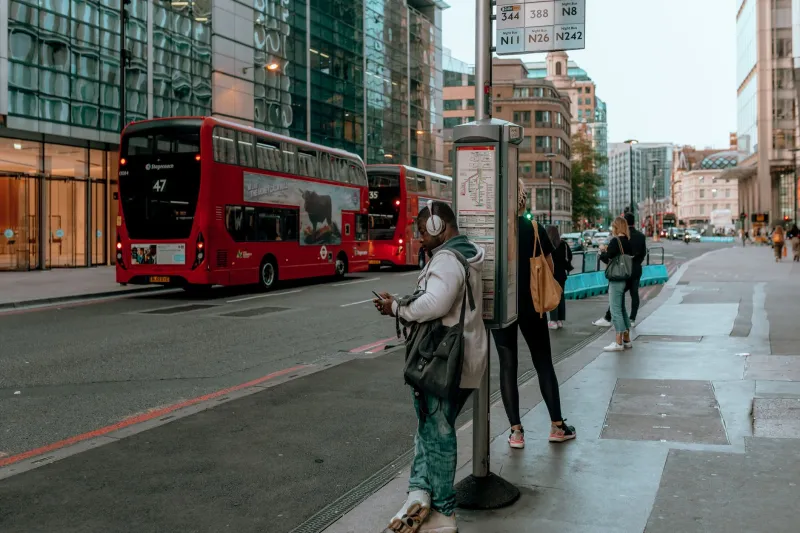
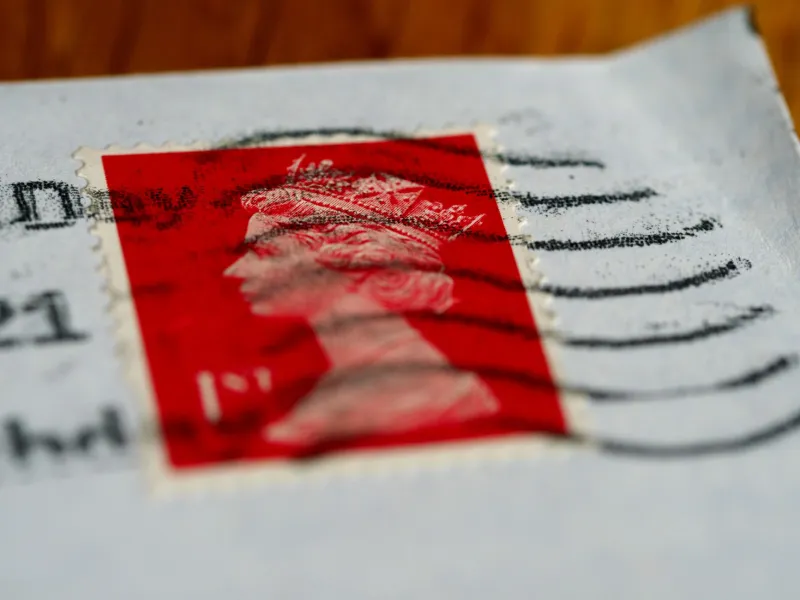
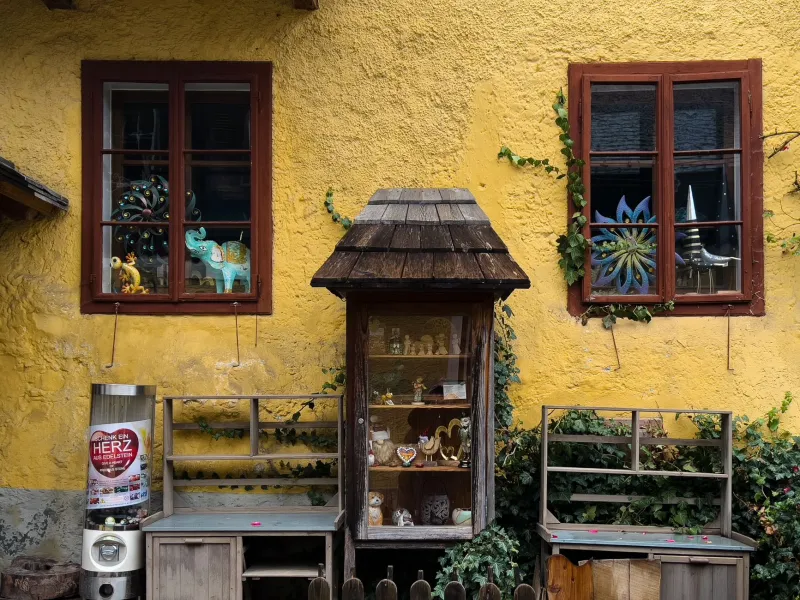
Paint, Brass and Parcel Tape: A Month of Drawing the Doors on My Road
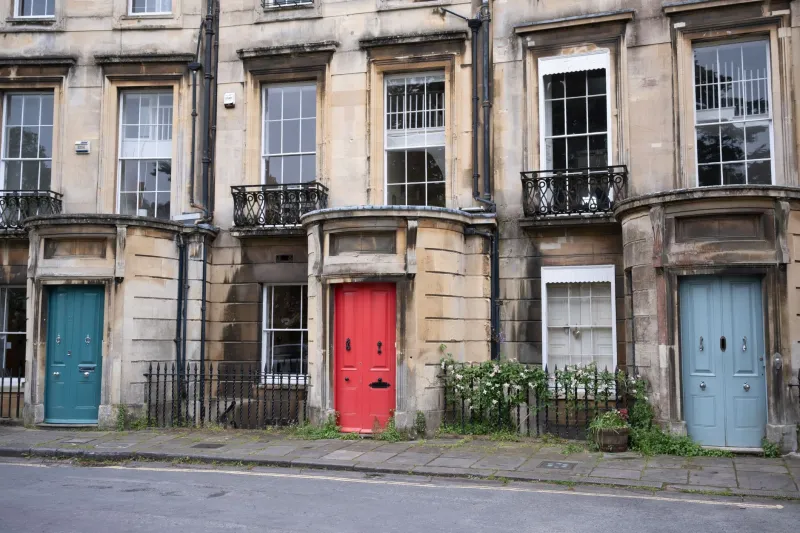
By the end of October I had drawn twenty-eight front doors on my street. Some were Victorian, with panels thick enough to hide a century of gloss; others belonged to the new-build cul-de-sac at the top of the road, where the brass handles still had their protective film on. I had set out to make a small documentary series about doorways. What I ended up with was a quieter kind of census: a record of paint, wear, repairs, doorbells and the small decisions people make about the bit of home that faces the street.
Why doors, and why now
A front door is a portrait without a face. It tells you what someone has chosen to show, and what the weather, the landlord or the budget has chosen for them. In 2026, when so much of life is mediated by screens, the doorstep has become a strange hybrid: parcel drop-off, camera frame, buggy park, smoke break, chat point. I wanted to look at that threshold properly, with a pencil, before the clocks went back and the light turned blue by four.
The rules were simple. One door a day, for four weeks. Twenty to thirty minutes per drawing, mostly from the pavement, sometimes from a camping stool. I used an A5 sketchbook, a 2B pencil and a tiny watercolour set. I asked permission where I could, explained the project, and promised not to publish anything that identified a house number or a person without a nod. If nobody was in, I drew from the street and knocked afterwards. Only one person said no. Two asked for a copy.
What the paintwork remembers
The Victorian and Edwardian doors were the most talkative. One had seven layers of gloss, each a different decade, visible where the paint had chipped near the letterbox. Another had been stripped back to bare wood and oiled, then decorated with a brass knocker shaped like a fox. A third was painted a deep green that looked black until the sun came out. The owner told me she had chosen it because her mum had always wanted a green door and never got one. That felt like a whole biography in a tin of paint.
The new-build doors were more uniform, but not empty. Composite panels, chrome handles, a row of identical house numbers. One had a smart doorbell angled slightly too high. Another had a hand-written note taped below the letterbox: 'Please leave parcels in the porch. The dog is loud but harmless.' A third had a child's drawing of a cat stuck on with Blu Tack, already curling at the corners. The door itself might have been chosen by a developer, but the life around it had been customised within an inch of its life.
The people at the threshold
I spoke to about fifteen people properly. A renter told me she loved her flat but hated the grey door, because it was the one thing she could not change. A man in his seventies showed me the brass letterbox he had polished every week since he moved in, and the small scratch near the bottom where his late wife's key used to catch. A new-build resident said she missed the draughty old door of her childhood, even though she knew it was probably awful for heating. A carer stopped to tell me that her client's door was never locked during the day, because four different people came in and out with medication, meals and company.
The doorbells were their own study. Wired bells, wireless bells, a bell shaped like a bee, one door with no bell at all and a sign saying 'Knock hard'. There were poppies for Remembrance, a food bank collection sticker, a small rainbow flag, a football scarf hanging from the knocker. None of it was grand. All of it was evidence.
What I learned about my street
I thought I knew my road. I walk it most days. But drawing slows you down to the speed of other people's choices. I noticed the ramps, the worn steps, the handles at different heights, the parcels stacked inside porches, the paint samples left on doorsteps by people testing colours before committing. I noticed how many doors had been repaired rather than replaced, and how many had been replaced rather than repaired. I noticed that the street is not one place. It is a row of thresholds, each with its own rules.
The project also made me a better neighbour, or at least a more curious one. People are surprisingly willing to talk about their doors. It is a safe subject that leads to unsafe ones: money, family, health, moving, staying. I did not set out to interview anyone. But once you are sitting on a kerb with a pencil, people tend to tell you things.
The sketches, and what happens next
The drawings are not architectural studies. They are wonky and quick, with the gutter sometimes running uphill and the hanging baskets slightly out of scale. That feels right. A door is not a monument. It is a working part of a house, a place where keys, letters, paws and feet all meet.
I am keeping the sketchbook for now. A few neighbours have asked for prints, and I might put a small set in the front window over the winter, just for the street. Nothing grand. The real result is simpler: I now know which door has the loud dog, which one has the spare key for the carer, and which one has a child who is very proud of a cat drawing. In 2026, that feels like a useful kind of map.