The Paper Trail: Thirty Days of Drawing Every Receipt I Was Handed
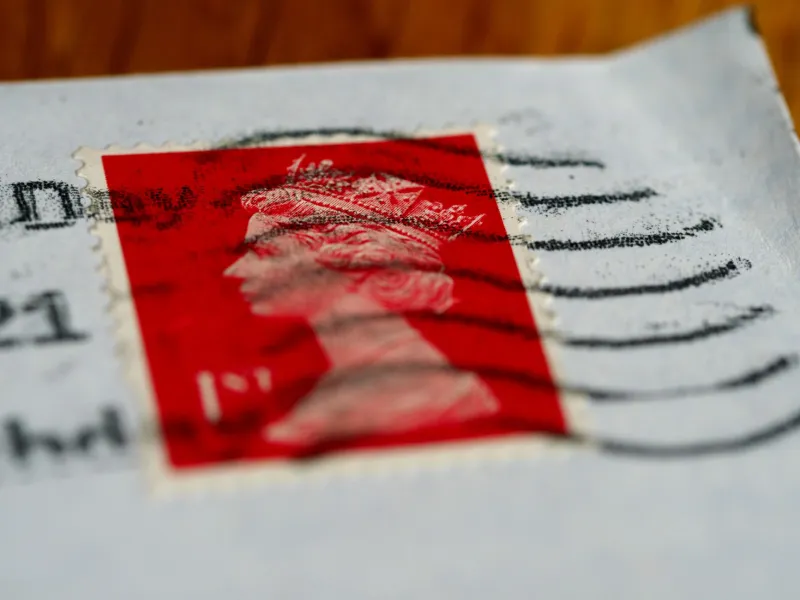
At the beginning of October, I cleared a small tin and set it by the door. The rule was simple: every receipt that came into my life went into the tin. No sorting, no judgement, no deciding whether a purchase was interesting enough. A pint of milk from the corner shop counted. So did a book of stamps, a bus ticket, and the slightly crumpled slip from the greengrocer who still writes the total in pencil.
Then, each evening, I drew one.
The rules were deliberately unglamorous
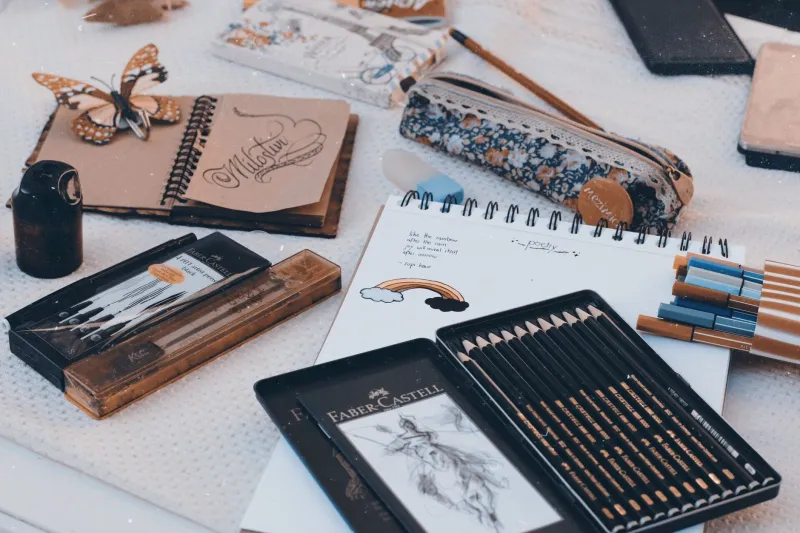
I used a cheap fineliner and a stack of A6 cartridge paper I already owned. The drawings were not meant to be beautiful. They were meant to be looking. A receipt is a strange object: a rectangle of thermal paper or till roll, printed with abbreviations, VAT lines, loyalty points, and the occasional survey invitation. It is designed to be glanced at and thrown away. Drawing one forces you to notice the shape of the creases, the fading print, the little tear at the top where it was ripped from the machine.
Some receipts were easy — short, stiff, satisfyingly geometric. Others were ridiculous. A self-service till receipt from a supermarket can unfurl like a paper road. I drew those in sections, taping the pages together at the end. The post office receipt was a narrow strip with a queue number still attached. The charity shop one had a handwritten price crossed out and replaced with a smaller one. Each had a texture and a vocabulary of its own.
What a month of receipts reveals
By the second week, patterns began to surface. Not in a dramatic, budget-spreadsheet way, but in a quiet, human way. I buy bread more often than I think. I use the post office a lot. There is a recurring 60p charge for a bag at a shop I visit without remembering to take a tote. The receipts were less a record of money and more a record of rituals: the coffee after posting prints, the bus fare to a meeting, the emergency ginger beer on a warm afternoon.
Drawing them slowed all of that down. A receipt is an accidental diary. It tells you where you were, roughly when, and what you needed at that moment. It does not tell you why you were tired, or what you were worrying about, or whether the purchase made you happy. But the drawing leaves space around the facts. I found myself writing tiny notes in the margins: 'last of the summer milk', 'the day the rain started', 'bought for the neighbour'. The archive became less about spending and more about paying attention.
There was also something oddly moving about the fragility of the paper. Thermal receipts fade. Some of the early ones had already lost their contrast by the end of the month. I found myself drawing faster, trying to catch the print before it vanished. It felt like a small lesson in making work from things that are not meant to last.
A low-cost version you can try
You do not need a month, a tin, or any particular skill. Start with a week if thirty days feels like too much. Keep an envelope by the door and drop receipts into it as they arrive. At the end of each day, glue one into a notebook — a cheap exercise book is fine — and draw it in pencil, biro, or whatever is nearest. Add the date and one line about where it came from. That is the whole method.
A few practical notes from my month:
- Draw the receipt, not the purchase. You are not illustrating your shopping list. You are looking at a piece of paper.
- Do not correct the creases. The folds are part of the drawing. Let them be wonky.
- If the print is faint, trace the main lines and write the total by hand. The gaps are honest.
- Keep a few spare pages for long receipts. Supermarket till rolls can be taped across a double spread.
- Do not turn it into a budget. This is not a financial audit. It is a creative habit. The moment you start judging the numbers, the drawings get stiff.
In the UK, receipts come in many forms: the stiff card slip from a market stall, the flimsy till roll from a chain bakery, the handwritten duplicate from a repair shop. Some are printed with QR codes and survey prompts. Some are barely legible. All of them are evidence of ordinary life. Drawing them is a way of saying that ordinary life is worth a second look.
The tin at the end of the month
By the end of October, I had thirty-one drawings and a small pile of paper scraps. I have not decided what to do with them yet. They might become a zine, or a single long collage, or they might stay in the notebook as a private record. What matters is that the month changed how I saw the contents of my own pocket. The receipt is not rubbish. It is a tiny, accidental document — and if you draw it, it becomes something else entirely: a paper trail with a bit of ink on it, and a month of ordinary errands pressed flat between the pages.